
Why BPC-157 Has No Place in Your Water Garden (And What Actually Works)
If you’ve landed here searching for “BPC-157 molecular profile storage,” you’re likely experiencing a common mix-up between research peptides and pond care products. The BPC-157 and TB-500 blend is a peptide compound used in laboratory research and has nothing to do with maintaining a healthy pond or water garden. What you probably need is guidance on storing beneficial bacteria, pond enzymes, and other biological treatments that keep your water clear and your fish thriving.
This confusion happens more often than you’d think. Autocorrect errors, overlapping product names, and search engine quirks can send pond enthusiasts down unexpected rabbit holes. The good news? We’re here to set the record straight and get you the information you actually need.
Proper storage of pond treatments matters enormously. Whether you’re working with beneficial bacteria colonies, enzyme formulas, or other biological products, how you store them directly impacts their effectiveness. Temperature fluctuations can kill live bacteria cultures. Sunlight degrades enzyme activity. Moisture compromises dry formulations. Even the best pond treatment becomes useless if stored incorrectly.
Throughout this guide, we’ll walk you through exactly how to store every type of pond product you might use, from liquid bacteria to powdered clarifiers to seasonal treatments. You’ll learn which products need refrigeration, which can sit on your garage shelf, and how to tell when something’s gone bad. We’ll also clear up common storage myths that might be costing you money and explain simple tricks that extend product shelf life by months or even years.
Let’s dive in and make sure your pond care investment actually works when you need it.
The Confusion: Why BPC-157 Keeps Coming Up in Pond Searches
You type “BPC-157 molecular profile storage” into a search bar expecting help with pond care, but instead you get results about a lab-made peptide, so what’s going on? The confusion typically comes from a mix of autocorrect errors, science-sounding jargon, or miscommunications online. BPC-157 is a synthetic peptide sometimes discussed in human research communities, but it isn’t related to pond water treatment, bacteria blends, or enzyme products made for garden ponds.
This kind of mix-up often happens because legitimate pond products, like beneficial bacteria, clarifiers, or bio-enzymes, are described using terms like “molecular composition,” “profile,” and “storage requirements.” Search engines can misinterpret your needs due to those scientific phrases, sometimes leading you into unrelated peptide territory. Add in autocorrect or autocue slipups, and it’s no wonder BPC-157 keeps showing up in your searches for pond health advice.
To keep your water garden safe and healthy, focus on proven products meant for ponds and skip anything not made or tested for aquatic environments. Sticking with reputable pond care solutions ensures both your fish and plants thrive, without any risky science experiments.
What You’re Really Looking For: Beneficial Bacteria and Pond Treatments
Understanding Beneficial Bacteria (The Good Stuff)
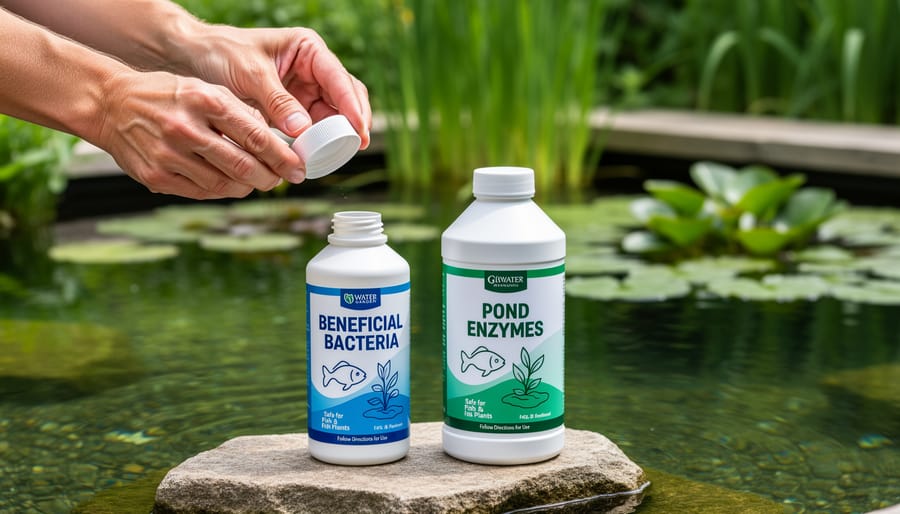
Beneficial bacteria are the real heroes when it comes to keeping your pond clean and clear. Instead of tackling every bit of muck yourself, these microscopic helpers step in to handle the messy jobs at the tiniest scale imaginable. Picture millions of tiny workers living on your pond liner, filter media, and rocks. Their job is to eat up excess fish waste, uneaten food, fallen leaves, and anything else that starts breaking down and turning the water cloudy.
At the molecular level, these good bacteria break down organic waste into much smaller components. The most important trick they pull off is the nitrogen cycle: one group of bacteria transforms toxic ammonia (released when fish poop and things rot) into nitrites, and a second group then converts those nitrites into nitrates, which are far less harmful. Plants and algae can use nitrates as food, but the danger to your fish is now greatly reduced.
This natural cleaning crew works best when there’s plenty of oxygen and surface area, so installing a biological filter or tossing in extra filter media really gives them a boost. Regularly adding quality bacterial cultures can help your pond’s ecosystem recover after spring cleaning, chemical treatments, or heavy rain. That’s the science, simple but powerful, and it’s one reason why so many pond keepers trust biological products over chemical quick fixes.
Natural Enzymes and How They Keep Your Pond Healthy
Enzyme-based treatments are a gentle powerhouse for keeping pond water clean and balanced. Enzymes are special proteins that speed up the breakdown of organic muck, leaf debris, uneaten fish food, and even certain types of algae. Instead of masking pond problems, these treatments support the natural cleaning process already happening in your water. When you add enzymes, you’re giving the beneficial bacteria a helping hand, they work together, with enzymes breaking down large, hard-to-digest bits into simpler materials that bacteria then “eat” and neutralize.
Enzyme blends are carefully designed for pond use, targeting the sorts of organic buildups that cloud water and fuel algae blooms. They work without chemicals that could harm fish or plants, and most are safe to use throughout the warm season. For best results, be sure to add enzymes consistently, following label instructions and proper storage advice, so you keep their cleaning power strong and effective.
Proper Storage of Pond Treatment Products
Temperature and Location Matters
Stable temperatures make all the difference when it comes to keeping pond treatment products effective. Beneficial bacteria and enzyme-based solutions are especially sensitive, if stored somewhere that gets too hot, cold, or experiences wild swings, the living organisms or delicate ingredients can die off or break down. That makes your next dose less effective and could even waste the whole bottle.
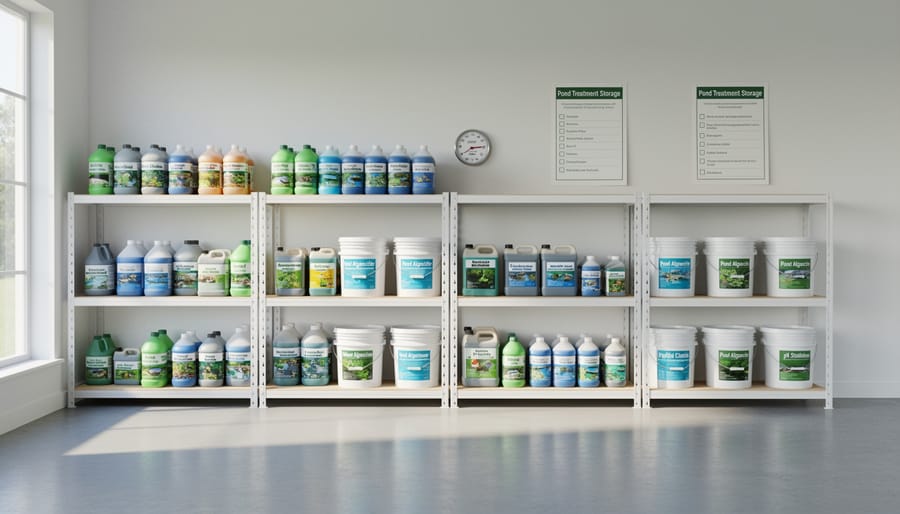
The best spot for most biological pond products is a cool, dry place that avoids direct sunlight. Many pond owners choose a basement or an insulated garage that doesn’t freeze in winter or bake in summer. Avoid outdoor sheds or uninsulated garages unless you’re sure they stay within the recommended temperature range on the label (usually between 40 and 80 degrees Fahrenheit). If space is tight, a dedicated shelf in a laundry room works, too. Keep products sealed tight, upright, and away from fertilizers or chemicals that might contaminate them. Consistent temperatures help beneficial bacteria and enzymes stay viable all season long.
Organizing Your Pond Care Cabinet
Having a well-organized pond care cabinet means less frustration and more confidence caring for your water garden. Group products by type, bacteria treatments, algaecides, dechlorinators, so you’re not rummaging through a jumble every time you need something. Place the most-used items at eye level, and keep all bottles standing upright to prevent leaks.
Label each container with the purchase and open date using a waterproof marker. It feels like overkill at first, but trust me, after one season, you won’t remember if that bottle of enzyme cleaner was bought last spring or three summers ago. Stickers for expiration dates help a lot, especially with biological products that quietly lose their kick if left too long.
I learned this the hard way: one forgotten winter, I found a crumpled box of bacteria treatment frozen solid at the back of my shed. Since then, clear labeling and neat shelves have saved me wasted batches and guesswork. An organized system means your pond stays healthy and you always know what’s fresh.
When to Toss and Replace
Knowing when to toss and replace pond care products keeps your water garden safe and treatments effective. Always check expiration dates, even beneficial bacteria and enzyme blends lose potency over time. If a bottle smells strange, shows visible clumping, color shifts, cloudiness, or leaks, it has likely degraded and should be discarded. Avoid using products past their prime; weakened formulas might not work, and spoiled mixtures could harm fish or plants. For disposal, follow label instructions or local hazardous waste guidelines. Never pour expired chemicals straight into drains or your pond. Fresh, high-quality treatments protect both your ecosystem and your peace of mind.
Safe Water Treatment: What to Use and When
Keeping your pond water safe and healthy means choosing the right treatments for each season and introducing them thoughtfully. The goal is to correct issues without stressing your fish, plants, or that all-important colony of beneficial bacteria. Every pond has its rhythm, so here’s a straightforward process for adding new products without upsetting your pond’s balance:
- Test your water before treating to check overall health and pinpoint issues like high ammonia or pH swings.
- Select a product appropriate for your season and issue, beneficial bacteria in spring, enzyme clarifiers in summer, or dechlorinators after water changes.
- Refer to the product label for correct dosages based on your pond’s exact water volume, not estimates.
- Mix the treatment with pond water in a bucket before slowly distributing it around the edges, not just dumping it in one spot.
- Observe your fish closely for at least an hour after application, signs of distress mean you should do a partial water change and aerate.
Spring is the ideal time for a boost of beneficial bacteria since they’ll help restart your pond’s biological filter after winter. As temperatures rise, you might need a phosphate binder if algae blooms take off, or a sludge remover for the stubborn gunk on your pond floor. When summer heat sets in, enzyme-based clarifiers can keep water clearer by accelerating natural breakdown of excess debris, these are safe for goldfish, koi, frogs, and plants when used as directed. During the fall, use a blend of cold-water bacteria to help process the heavier load of organic matter from falling leaves and dying plants. Winter usually means hands off, but keep an eye on oxygenation and avoid adding any treatments unless a specific problem arises, since most products won’t work below 50°F.
Remember, less is more, doubling up on treatments rarely speeds things along and can stress your pond’s ecosystem. Stick with products that are labeled safe for all pond life and follow dosage instructions with care. If you’re ever unsure, start with a lower dose and monitor your pond’s response. A methodical, seasonal approach builds a thriving water garden and lets you enjoy clear water and healthy fish all year.
Common Pond Treatment Mistakes to Avoid
Many pond owners fall into a few common traps when working with treatments, and all of them can impact water clarity, fish health, or even the plants you’ve worked so hard to grow. One of the most frequent mistakes is overdosing, pouring in a little extra, hoping for faster results. This can stress your pond’s ecosystem, harming beneficial bacteria and delicate pond life. Always follow the dosage directions to the letter, even if the water looks especially murky.
Mixing treatments that aren’t designed to work together is another big pitfall. For example, combining two different algae remedies or using a chemical clarifier right after a biological treatment can actually cancel out their benefits or cause unexpected reactions. If in doubt, space products out by a few days and check product labels for compatibility guidelines.
Expired or improperly stored products are a stealthy source of trouble. Whether it’s beneficial bacteria, enzyme blends, or water clarifiers, their effectiveness drops off sharply after expiration or when stored in hot sheds or in direct sunlight. Keep everything labeled and dated, and store in cool, dark places to preserve potency. If you need help with the right precautions, our article on pond safety covers more than just chemical handling.
Finally, skipping storage instructions or using “just a bit more” are mistakes every water gardener has made at some point. Staying mindful of product lifespans and instructions ensures you enjoy clear water and healthy fish, without unnecessary risks or wasted effort. Mistakes happen even to seasoned pond keepers, learning from them is all part of the process.
Trusting tried-and-true pond treatments, and storing them as recommended, will always produce better results than experimenting with unrelated science words like “BPC-157.” The truth is, beautiful water gardens are built on the basics: using products designed for ponds, like beneficial bacteria and targeted enzyme blends, and keeping them somewhere cool, organized, and away from direct sunlight. Whenever you stick to proven methods, your fish, plants, and water quality benefit, and you’ll notice the difference every time you relax by the pond.
All those long names and molecular profile details can sound intimidating, but they mostly matter to the folks formulating these treatments in the lab. For the rest of us, it’s about reading the label, staying organized, and paying attention to expiration dates. If there’s ever uncertainty about a product’s purpose or safety, check twice, there’s no need to gamble with your pond’s health.
Your water garden deserves the best, and so do you. When you use the right pond products and look after them, you take an active role in keeping your slice of nature thriving. That’s where the real magic, and satisfaction, of pond care comes from.