
These Pond Creatures Eat Gnats All Day (Let Them Do the Work)
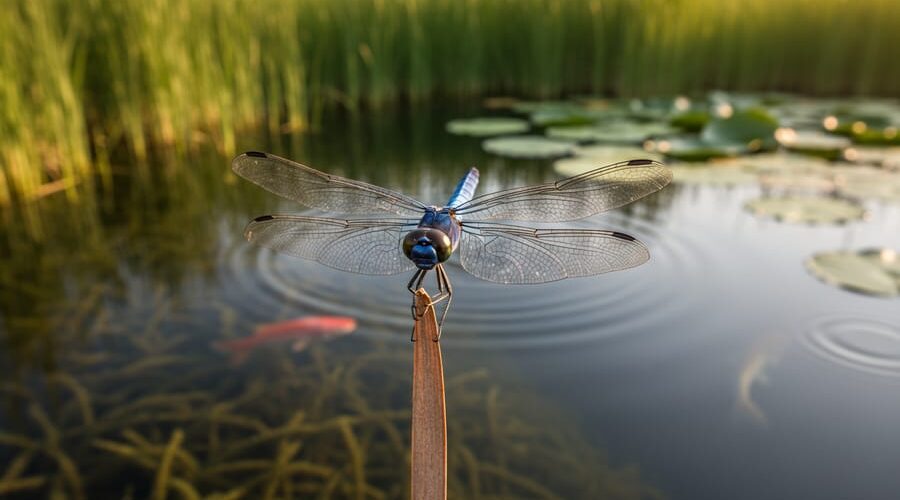
Introduce dragonflies to your pond by planting tall reeds and native grasses around the water’s edge—these magnificent hunters can devour hundreds of gnats daily while their aquatic nymphs patrol beneath the surface. Stock your pond with mosquitofish or native minnows that actively feed on gnat larvae before they ever become flying pests. Create shallow, vegetated zones in your wildlife pond design to attract frogs and toads, which feast on adult gnats during evening hours. Install simple bat boxes within 20 feet of your pond to welcome these nocturnal gnat eliminators that can consume thousands of insects in a single night.
The frustration of gnats swarming around your beautiful pond is something I’ve experienced firsthand, and I know how tempting it is to reach for chemical solutions. But here’s the exciting truth: nature has already designed the perfect pest control system. Your pond can become a self-regulating ecosystem where beneficial predators keep gnat populations in check naturally, without harsh chemicals that harm the environment you’ve worked so hard to create.
The secret lies in understanding that gnats are actually a vital food source for dozens of creatures already living in or near your water garden. By making a few strategic habitat modifications and encouraging the right predators, you’ll transform your gnat problem into a thriving, balanced ecosystem where these pests rarely become noticeable. Let’s explore how to invite these natural allies into your backyard oasis.
Why Your Pond Attracts Gnats in the First Place
If you’ve noticed clouds of tiny flying insects hovering above your beautiful pond, you’re probably dealing with gnats – and trust me, you’re not alone! I’ve had my share of evenings cut short by these little nuisances, and understanding why they love our ponds so much is the first step to reclaiming your outdoor space.
Here’s the thing: your pond is basically a five-star resort for gnats. These tiny insects go through a complete lifecycle that includes egg, larva, pupa, and adult stages – and they need water to complete it. Female gnats lay their eggs either directly on the water’s surface or in the moist organic matter around your pond’s edges. We’re talking about the decaying leaves, algae buildup, and that layer of gunk that accumulates along the waterline.
Within just a few days, those eggs hatch into larvae that wiggle around in the water, feeding on organic debris and microorganisms. This larval stage lasts anywhere from four days to two weeks, depending on the temperature. The warmer it is, the faster they develop – which explains why gnat problems seem to explode during summer months!
What makes ponds particularly attractive is the combination of still or slow-moving water, abundant organic matter, and warmth. If your pond has areas with poor circulation, decomposing plant material, or overgrown algae, you’ve essentially rolled out the welcome mat. Even well-maintained ponds can struggle with gnats if conditions are just right, so don’t feel discouraged if you’re dealing with this common challenge.
The good news? Understanding this lifecycle means we can interrupt it naturally using some very effective predators.
The Natural Predators Already Living Around Your Pond
Fish That Feed on Gnat Larvae
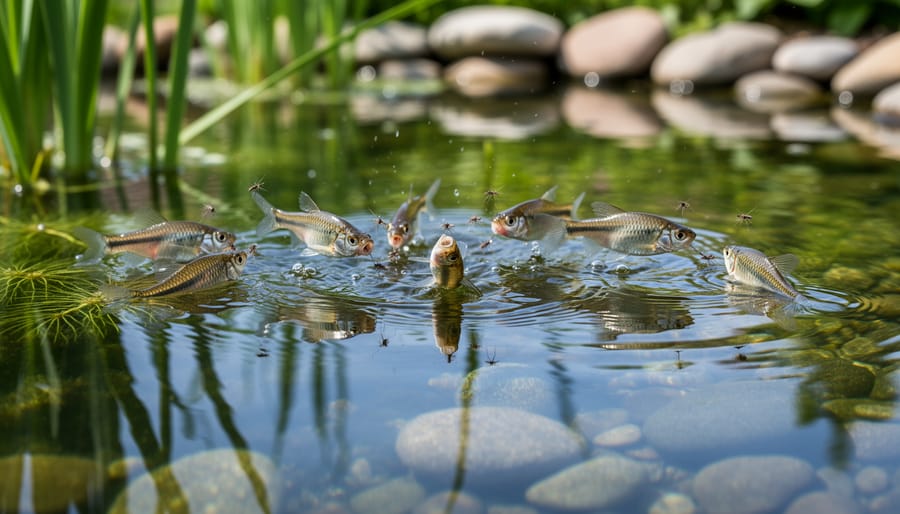
If you’ve got a pond, you’re already sitting on one of the best gnat control solutions available. Several common pond fish absolutely love munching on gnat larvae, turning your gnat problem into a tasty fish buffet!
Goldfish and koi are your reliable workhorses here. These popular pond dwellers naturally feed near the surface and in shallow areas where gnats lay their eggs. I’ve watched my own goldfish dart around at dusk, gobbling up larvae with surprising enthusiasm. They won’t eliminate every single larva, but they’ll definitely make a dent in the population.
For more targeted control, consider adding mosquitofish and minnows to your pond. These smaller fish are absolute champions at consuming larvae. Mosquitofish, in particular, were specifically bred for this purpose and can consume their own body weight in larvae daily. They’re hardy, reproduce readily, and thrive in various pond conditions.
Now, let’s talk stocking levels. As a general rule, aim for about one inch of fish per square foot of water surface for effective larvae control. Don’t overstock though, as too many fish can stress your pond’s ecosystem and actually reduce their effectiveness. Start conservatively and observe the results over a few weeks.
Remember, fish work best as part of a broader strategy. They’re fantastic helpers, but combining them with good pond maintenance and habitat adjustments gives you the most comprehensive gnat control possible.
Dragonflies and Damselflies: Your Flying Gnat Hunters
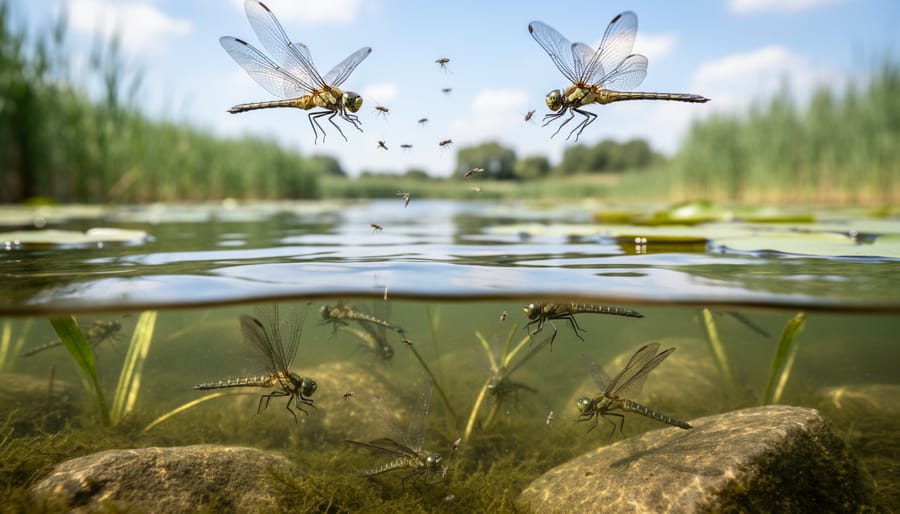
If you’ve ever watched a dragonfly zip around your pond like a tiny helicopter, you’ve witnessed one of nature’s most efficient gnat-hunting machines in action! These stunning aerial acrobats are your allies in the battle against pesky gnats, working double duty at different life stages.
Here’s something cool: dragonflies actually tackle your gnat problem both above and below the water’s surface. The nymphs, which live underwater for months or even years before emerging as adults, are voracious predators of gnat larvae. They lurk among your pond plants and bottom debris, grabbing any wriggly mosquito or gnat larvae that crosses their path. Meanwhile, the adult dragonflies you see darting around can catch and devour dozens of flying gnats in a single day. Their smaller cousins, damselflies, do the same work but with a more delicate touch.
Want to roll out the welcome mat for these helpful hunters? The secret is creating the right habitat. Plant native vegetation around your pond’s edges, especially tall grasses and reeds where dragonflies can perch and rest between hunting sessions. Leave some rocks partially submerged near the shoreline, as these make perfect landing pads. Avoid using pesticides anywhere near your water feature, since these chemicals harm dragonfly nymphs. If you maintain some shallow, vegetated areas in your pond, you’ll give nymphs the perfect nursery habitat they need to thrive and eventually emerge as your personal gnat patrol squadron.
Frogs, Toads, and Other Amphibians
Frogs and toads are fantastic little gnat-busters that work around the clock! These amphibians have an incredible appetite for flying insects, including those pesky adult gnats that hover around your pond. A single frog can consume hundreds of insects each night, making them one of nature’s most effective pest control teams.
The beauty of attracting frogs to your pond is that you’re creating a natural, self-sustaining ecosystem. I’ve noticed in my own water garden that once frogs moved in, the gnat population dropped noticeably within just a few weeks. They’re particularly active during dusk and dawn when gnats are most prevalent.
To welcome these helpful hunters, you’ll want to create frog-friendly pond edges with gentle slopes and plenty of hiding spots. Add flat rocks near the water’s edge where they can bask and hunt. Include shallow areas with aquatic plants like water lilies and rushes, which provide shelter and breeding grounds. Leave some leaf litter nearby as well, since many toads prefer damp, sheltered spots during the day before their nightly gnat-hunting adventures begin.
Birds That Visit Your Pond for Gnat Snacks
Your pond is basically an all-you-can-eat buffet for insect-loving birds, and trust me, they’ll happily do the gnat patrol for you! Swallows are absolute champions at this job. These aerobatic flyers swoop and dive across the water surface, snatching gnats mid-flight with impressive precision. I’ve watched barn swallows clear hundreds of gnats from my pond in a single evening.
Warblers, wrens, and chickadees are equally enthusiastic gnat hunters, especially around pond edges where gnats tend to hover. Purple martins deserve special mention too—a single colony can devour thousands of flying insects daily during breeding season.
Attracting these helpful birds is wonderfully simple. Add some shrubs or native plants around your pond’s perimeter to provide perching spots and shelter. Birds love having nearby cover where they can rest between feeding flights. Installing a few birdhouses, particularly for swallows and wrens, creates nesting opportunities that keep them coming back season after season.
Keep a shallow area or add a few flat rocks at the pond edge—birds need safe drinking and bathing spots. Skip the pesticides completely, since these harm the very helpers you’re trying to attract. With these easy adjustments, you’ll have a dedicated aerial gnat control team working for free!
Creating the Perfect Habitat for Gnat Predators
Plant Selection That Attracts the Right Predators
The secret to building a gnat-fighting pond ecosystem starts with choosing the right greenery around your water’s edge. Think of your plant selection as creating a five-star resort for dragonflies and damselflies, complete with landing pads and nurseries.
I’ve found that marginal plants like cattails, rushes, and iris are absolute magnets for dragonflies looking to lay eggs. These vertical stems poking out of the water give adult dragonflies perfect perches to scan for prey, including gnats. Emerging nymphs climb these same stems when they’re ready to transform into flying predators.
Water celery and hornwort work beautifully as submerged options, providing hiding spots for young dragonfly nymphs as they develop. Floating plants like water lettuce create shaded zones where damselflies love to hunt during hot afternoons.
The real magic happens when you create layers. Combine tall emergents with shorter marginals and some floating coverage. This diversity attracts different beneficial insects at various life stages. These beneficial pond plants do double duty, beautifying your pond while recruiting an army of natural pest controllers that work around the clock keeping gnat populations in check.
Adding Shallow Areas and Perching Spots
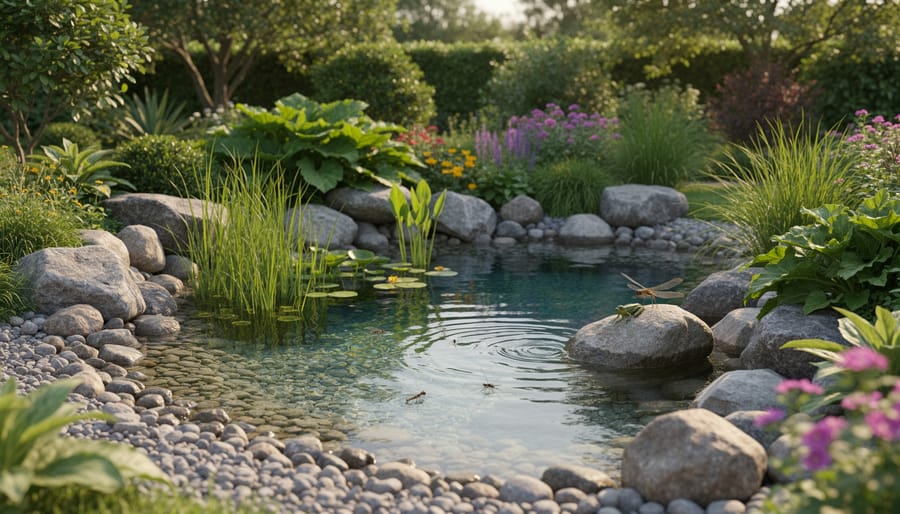
Different predators need different setups to thrive in your pond. Think of it like creating a neighborhood with homes for everyone! Birds love shallow edges where they can wade in safely without getting their bellies wet. Aim for a gentle slope leading to areas just 1-2 inches deep. I always add a few flat rocks right at the waterline, and it’s amazing how quickly robins and sparrows discover them.
For dragonflies and damselflies, vertical elements are key. They need places to climb out of the water when they’re ready to transform from nymphs to flying adults. Position some upright sticks, tall rocks, or even decorative bamboo stakes near the water’s edge. Frogs and toads appreciate partially submerged logs or stones where they can bask while staying close to the safety of deeper water.
Create depth zones gradually, from very shallow edges down to at least 18 inches in spots. This variety accommodates everyone from tiny beetles to larger fish. Place flat stones strategically around your pond at different heights, some just breaking the surface. These become landing pads and hunting perches that your gnat-eating allies will absolutely love.
Avoiding Chemicals That Harm Your Allies
Here’s the thing about going after gnats with chemical pesticides – you might win the battle but lose the war. I learned this the hard way when I sprayed my pond area with a mosquito fogger and accidentally wiped out the dragonfly nymphs that were doing an amazing job keeping my gnat population in check. It took nearly an entire season for nature to rebalance itself.
Most conventional pesticides don’t discriminate. They’ll kill gnats, sure, but they’ll also eliminate the frogs, dragonflies, damselflies, and beneficial insects that you’ve worked so hard to attract. Even products labeled as “natural” can be harmful to aquatic life. Pyrethrin-based sprays, for example, are derived from chrysanthemum flowers but are extremely toxic to fish and beneficial insects.
Instead, focus on targeted approaches. Physical barriers like mosquito dunks containing Bacillus thuringiensis israelensis (BTI) specifically target gnat and mosquito larvae without harming other pond life. You can also use yellow sticky traps positioned away from beneficial insect habitats to catch adult gnats. For stubborn problem areas, a strong spray of water from your garden hose disrupts gnat breeding without chemical collateral damage. Remember, patience and supporting your natural predators will give you longer-lasting results than any quick chemical fix.
Boosting Your Predator Population When Nature Needs Help
Adding Mosquitofish or Minnows
Introducing mosquitofish or minnows to your pond is like hiring a tiny cleanup crew that works around the clock. These little champions devour gnat larvae before they can become those pesky flying adults. Here’s how to get them settled in successfully.
Start by choosing the right fish for your climate. Mosquitofish (Gambusia) thrive in warmer regions, while certain minnow species handle cooler temperatures better. Plan on one fish per 25-50 gallons of water. Too many can actually stress your ecosystem, and trust me, a balanced pond is a happy pond.
When you bring your fish home, don’t just dump them in. Float the sealed bag in your pond for 15-20 minutes to equalize the temperature. Then, gradually add small amounts of pond water to the bag every five minutes for another 20 minutes. This gentle acclimation prevents shock and gives your new helpers the best start.
Release them near plants or shaded areas where they’ll feel safe while adjusting to their new home. Within days, they’ll be actively hunting larvae throughout the pond. I’ve watched my mosquitofish dart through shallow areas, gobbling up larvae like it’s their favorite buffet. Your gnat population should noticeably decrease within two to three weeks.
Encouraging Dragonfly Colonization
Dragonflies are magnificent gnat hunters, but they won’t just appear out of nowhere. You need to roll out the welcome mat! Start by creating perching spots around your pond—dragonflies love to rest on tall, sturdy plants like cattails or decorative stakes positioned near the water’s edge. Think of these as their hunting lookout towers. Adding shallow areas with varying depths also helps, as adult dragonflies prefer laying eggs in calm, plant-rich zones where their nymphs can develop safely.
Should you buy dragonfly nymphs online? Honestly, I’d recommend patience first. If you build the right habitat, dragonflies usually find their way naturally within a season or two. However, if you’re in an area with few dragonflies or you’re dealing with a serious gnat problem, purchasing nymphs can give you a head start. Just make sure your pond is truly ready—good water quality, plants, and no fish that might eat the nymphs before they mature. I’ve seen impatient pond owners waste money releasing nymphs into unprepared environments. Get the habitat right first, and nature often does the rest beautifully.
Making Your Yard a Frog Sanctuary
Transforming your yard into a frog-friendly haven is easier than you might think! Start by creating cozy hiding spots where frogs can safely retreat during the day. Stack flat rocks to form small caves, or position overturned clay pots with entrance holes near your pond edges. I’ve found that leaving a few logs or branches in shady corners works wonderfully too.
Next, establish safe travel corridors between your pond and garden areas. Frogs love to hunt in damp grass and mulched beds, so avoid pesticides completely and leave some areas a bit wild and unmowed. These amphibians need moisture to survive, so consider adding shallow dishes of water as waypoints if your yard is large.
Dense plantings are essential. Ground covers like creeping jenny, hostas, and ferns provide excellent daytime shelter while keeping the soil moist. Around the pond perimeter, let vegetation grow slightly overgrown to give frogs protection from predators like birds and cats.
Remember, frogs and toads are incredibly territorial once they settle in, so patience pays off. Once they discover your sanctuary offers food, water, and shelter, they’ll stick around to patrol for gnats year after year.
Combining Predators with Other Natural Control Methods
Here’s the thing about controlling gnats naturally—it works best when you think like an orchestra conductor rather than a solo musician. Predators are your stars, but they perform even better when supported by a full ensemble of complementary strategies.
Start by managing moisture around your pond area. Gnats need damp soil and decaying organic matter to breed, so avoid overwatering nearby plants and clean up fallen leaves regularly. When I reduced the mulch depth around my pond from four inches to two, I noticed fewer gnats within a week. The predators I’d introduced suddenly had less competition from new gnat generations.
Next, improve water circulation. Adding a fountain or aerator does double duty—it discourages gnats from laying eggs on still water surfaces while creating habitat that attracts dragonflies and other beneficial insects. The movement also supports fish health, making your predator team more effective.
Consider companion planting with gnat-repelling herbs like basil, rosemary, or lavender near seating areas. These won’t eliminate gnats, but they’ll create zones where you can enjoy your pond without constant buzzing. Meanwhile, your predators handle the main population control.
Timing matters too. Introduce predators in early spring before gnat populations explode. Combine this with regular debris removal and you’ll prevent problems rather than chase them. I learned this the hard way after waiting until midsummer one year—the gnat army was already too established.
The beauty of this layered approach is redundancy. If one method underperforms, others compensate. Your frogs might take a break during cool weather, but improved drainage continues working. Together, these strategies create an environment where gnats struggle to thrive while predators flourish.
What to Expect: Timeline and Realistic Results
Here’s the reality: establishing a natural predator-prey balance isn’t an overnight fix, but it’s absolutely worth the patience. If you’re currently battling clouds of gnats, don’t expect them to vanish the day after adding fish or encouraging dragonflies.
During the initial setup phase, give your natural management system 2-4 weeks to start showing noticeable results. You’ll likely see a gradual decrease in adult gnats first, followed by fewer larvae in the water. By 4-8 weeks, most pond owners report significant improvement, with gnat populations dropping to manageable background levels rather than complete elimination.
Complete eradication isn’t realistic, and honestly, you don’t want that. A few gnats are part of a healthy ecosystem and keep your predators well-fed and present. Think of success as reducing annoying swarms to occasional individuals you barely notice.
Seasonal variations matter tremendously. Spring and early summer typically bring the heaviest gnat activity as temperatures warm up, so you might experience temporary population spikes even with predators present. Your natural helpers will respond to these increases, but there’s always a lag time between prey boom and predator response.
Fall often brings the best control as your predator populations have built up throughout the season. During winter, gnat activity naturally decreases anyway. The key is maintaining your predator habitat year-round so you’re ready when warm weather returns.
Working with nature instead of against it isn’t just the environmentally responsible choice—it’s also the most effective and sustainable way to manage gnats around your pond. When you create a habitat that welcomes dragonflies, frogs, and small fish, you’re building a self-regulating ecosystem that handles pest control year after year without constant intervention or expense.
You don’t need to transform your entire pond overnight. Start small by observing what’s already happening in your water garden. Spend a few evenings watching which predators already visit your pond. Notice where gnats tend to congregate and which areas seem naturally gnat-free. These observations will guide your next steps, whether that’s adding a few native plants, creating shallow areas for amphibians, or introducing a small school of mosquitofish.
Remember, every pond is unique, and finding the right balance takes patience. Some strategies will work immediately, while others need time to establish. The beauty of natural pest control is that once it’s working, it largely takes care of itself.
You’re not just managing gnats—you’re becoming a steward of a living, breathing ecosystem. That’s something to feel genuinely proud about. Your pond will thank you with clearer water, more wildlife, and those peaceful evenings you’ve been dreaming of.