
Why Every Water Gardener Needs a Mentor (And How to Find Yours)
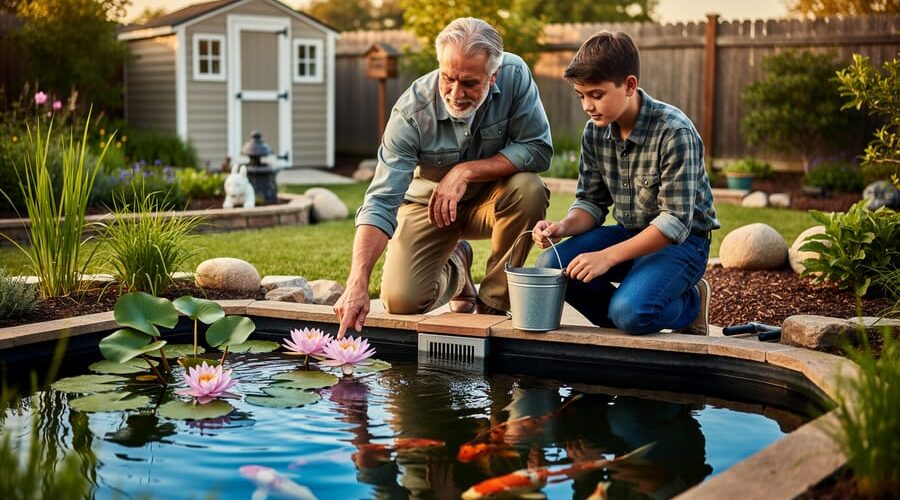
Pair yourself with an experienced pond keeper who’s already navigated the algae blooms, pump failures, and fish health scares you’re facing right now. Foster mentorship programs in water gardening connect beginners with seasoned enthusiasts who share practical wisdom you won’t find in books—like why your lilies won’t bloom despite perfect sunlight or how to balance your ecosystem without expensive chemicals.
Finding the right mentor transforms frustration into confidence. Start by reaching out through local pond clubs, online water gardening forums, or botanical garden workshops where experienced hobbyists gather. When you connect with water garden experts, you gain access to personalized guidance tailored to your specific climate, water conditions, and backyard setup—advice that generic tutorials simply can’t provide.
The most successful mentorship relationships thrive on genuine curiosity and respect. Come prepared with specific questions about your current challenges, whether you’re troubleshooting a filtration system or planning your first aquatic plant arrangement. Document your mentor’s suggestions with photos and notes, then report back on your results. This feedback loop helps both of you refine techniques and builds a rewarding relationship beyond simple question-and-answer sessions.
Think of mentorship as an apprenticeship for your pond. You’re not just learning facts—you’re absorbing years of trial-and-error wisdom that helps you avoid costly mistakes and accelerates your journey from nervous beginner to confident water gardener.
What Makes Water Gardening Different (And Why You Need Help)
If you’ve ever wandered from your vegetable garden to a friend’s backyard pond and thought “how hard could it be?”, you’re in for a surprise. Water gardening operates in a completely different dimension from traditional soil-based gardening, and that’s exactly why having a mentor can save you from heartache, expensive mistakes, and murky disappointment.
Think about traditional gardening for a moment. If you plant tomatoes in poor soil, you might get a weak harvest, but you can amend the soil next season. Water gardening doesn’t offer that same forgiveness. Your pond is a living, breathing ecosystem where everything connects. The plants affect the water quality. The water quality affects the fish. The fish waste feeds the plants. Sunlight impacts algae growth. Temperature changes influence oxygen levels. It’s like conducting an orchestra where all the musicians need to stay in perfect harmony.
I learned this lesson the hard way when I added too many goldfish to my first pond. Within weeks, the water turned green and cloudy. My beautiful water lilies struggled, and I couldn’t figure out why. A mentor later explained the nitrogen cycle to me in simple terms and showed me how to calculate proper fish stocking levels. That single conversation would have saved me hundreds of dollars in remediation products and several sleepless nights.
Water chemistry adds another layer of complexity that’s foreign to traditional gardeners. You’ll encounter terms like pH balance, ammonia spikes, and beneficial bacteria. Understanding when to add plants, how to winterize your system, and which fish species coexist peacefully requires knowledge that only comes from experience or guidance from someone who’s already navigated these waters.
The trial-and-error approach isn’t just frustrating in water gardening; it can be genuinely expensive. Fish die. Pumps fail. Plants struggle. A mentor helps you skip past the common pitfalls and move straight to enjoying your beautiful aquatic oasis. That’s the difference mentorship makes.
What a Water Gardening Mentorship Actually Looks Like
The Real Benefits You’ll Experience
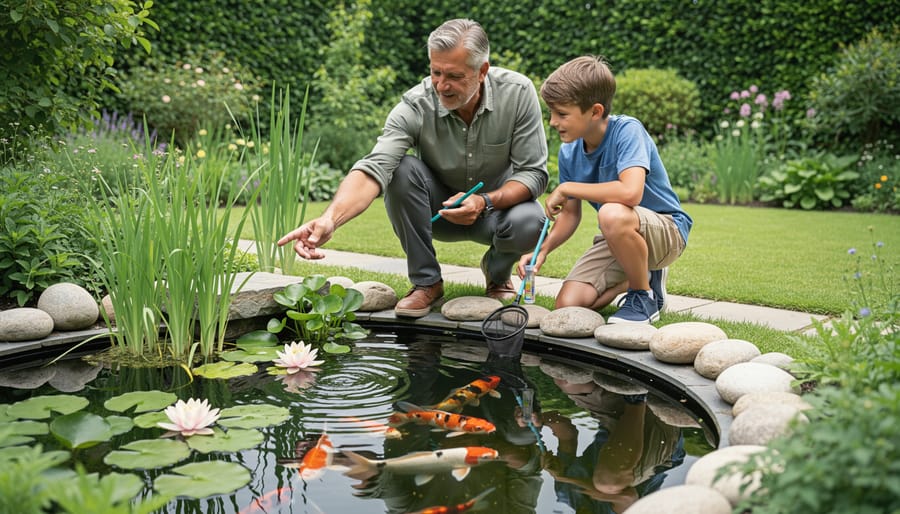
Having a mentor by your side transforms your water gardening journey in ways that go far beyond just getting answers to questions. Think of it as having a trusted friend who’s already navigated the challenges you’re facing right now.
First and foremost, you’ll save money by avoiding those expensive rookie mistakes. My mentor once stopped me from purchasing an oversized pump that would have cost hundreds and disrupted my entire pond ecosystem. Those kinds of interventions pay for themselves many times over.
You’ll also solve problems faster. Instead of spending weeks troubleshooting murky water or struggling plants, a quick conversation with your mentor can pinpoint the issue immediately. They’ve seen it all before and can guide you through solutions that actually work for your specific conditions. This personalized advice beats generic internet searches every time because your mentor understands your unique setup, local climate, and water chemistry.
The confidence boost is real too. When you’re learning expert water gardening skills, having someone believe in your abilities and encourage you through setbacks makes all the difference. You’ll try techniques you might have thought were too advanced.
Finally, mentors open doors. They’ll introduce you to suppliers offering quality products, connect you with other pond enthusiasts, and share resources you didn’t know existed. Their network becomes your network, expanding your knowledge base and support system exponentially. It’s like gaining years of experience in months.
What to Expect from Your Mentor’s Time
Let’s be honest about what mentorship looks like in the real world. Your mentor isn’t going to become your new best friend who drops by every weekend, but they will be a valuable resource when you need them most.
Most mentorship relationships involve monthly check-ins, either through quick phone calls or text messages with photos of your pond. I remember when my mentor asked me to snap pictures of my cloudy water issue from three different angles. Those photos told him everything he needed to know without making the hour-long drive to my place. Technology makes this so much easier than it used to be.
Expect maybe two or three in-person visits during your growing season. These site visits are golden opportunities, so prepare your questions ahead of time. Walk your mentor around your setup, show them what’s working and what’s puzzling you, and take notes. Seriously, bring a notebook because you’ll forget half of what they tell you otherwise.
Remember, this is a two-way street. Your mentor is sharing years of hard-won knowledge, so respect their time. Don’t call at 10 PM because you just noticed a new plant growing. Send a text and wait for a convenient callback. Offer to help with their projects occasionally or bring them cuttings from your thriving plants.
The best mentorships naturally evolve into friendships built on mutual respect and shared passion for water gardening. Be patient, be grateful, and stay engaged.
Finding Your Perfect Water Gardening Mentor
Local Pond Societies and Garden Clubs
Your best mentorship opportunities often hide in plain sight at local pond societies and garden clubs. Start by searching online for water gardening groups in your area, or check community bulletin boards at nurseries and home improvement stores. Don’t overlook general garden clubs either—many have members passionate about water features who’d love to share their knowledge.
When evaluating a group, look for signs of active engagement. Do they host regular meetings? Are members sharing photos and asking questions? The best communities encourage beginners and celebrate everyone’s successes, not just the experts.
Here’s what I’ve learned: mentorship in these settings happens organically. You’re not formally assigned someone—instead, you naturally gravitate toward experienced members whose ponds inspire you. Maybe it’s someone who conquered the same algae problem you’re facing, or who built a stunning waterfall feature you’d love to replicate.
Attend a few meetings before diving in. Observe the group dynamics, introduce yourself as a learner, and don’t be shy about admitting you’re new. Pond enthusiasts genuinely love helping others discover this rewarding hobby.
Water Garden Centers and Koi Dealers
Your local water garden center is more than just a place to buy supplies—it’s a goldmine for finding mentors who genuinely love what they do. I remember walking into my neighborhood koi dealer feeling completely overwhelmed about my new pond, and the staff spent nearly an hour answering my questions without any pressure to buy anything.
The beauty of specialty retailers is that they attract passionate people on both sides of the counter. Staff members often have years of hands-on experience with ponds, filtration systems, and fish health. They’ve seen every problem imaginable and can troubleshoot issues on the spot. Even better, many stores host customer appreciation days or informal gatherings where experienced hobbyists hang out.
Don’t be shy about striking up conversations while browsing. Ask the staff if they know any local enthusiasts who might be willing to share advice. Many stores keep bulletin boards or contact lists specifically for connecting community members. Some even facilitate pond tours where veterans open their backyards to newcomers, creating natural mentorship opportunities that blossom into lasting friendships and ongoing guidance.
Online Communities and Forums
The digital world opens up wonderful opportunities to connect with fellow water gardeners who can become lifelong mentors. Start by exploring popular platforms like Reddit’s pond and water gardening communities, where enthusiasts freely share advice and troubleshooting tips. Facebook groups dedicated to koi keeping, aquatic plants, and backyard ponds are goldmines for finding experienced gardeners who love helping newcomers.
When I first joined an online water gardening forum, I felt nervous posting my algae-covered pond photos. But the community welcomed my questions warmly, and several veterans offered specific solutions. That’s how I met Sarah, who eventually became my informal mentor.
Building virtual relationships takes genuine engagement. Comment thoughtfully on others’ posts, share your own journey with photos, and ask specific questions rather than generic ones. When someone consistently provides helpful answers, send them a direct message expressing appreciation and asking if they’d be comfortable answering occasional questions.
The transition from casual forum friendship to mentorship often happens naturally. After several months of regular interaction, suggest a video call to discuss your pond project in detail. Many online connections evolve into phone conversations, shared project updates, and even in-person pond visits. The key is approaching these relationships with patience, respect, and authentic curiosity about learning.
Pond Tours and Water Garden Events
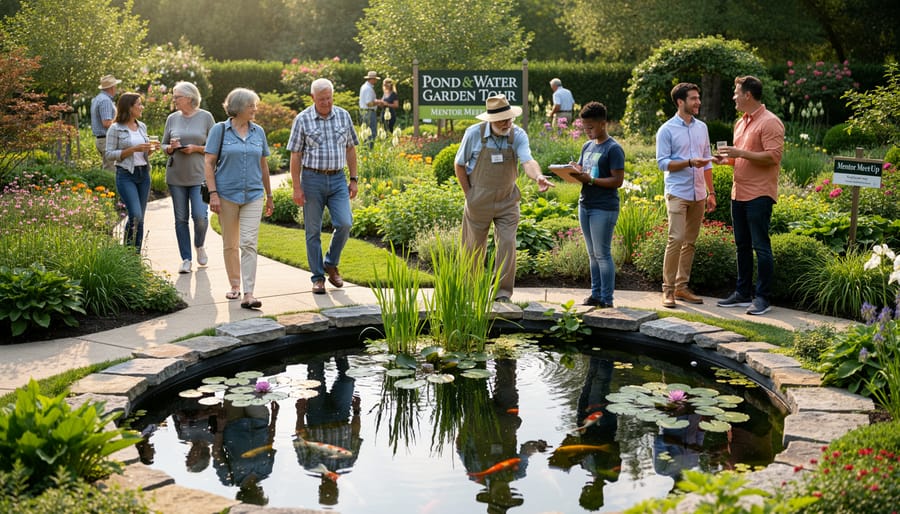
Getting out into the real world of water gardening is one of the most rewarding ways to connect with potential mentors. Open garden events and pond tours offer relaxed settings where experienced water gardeners naturally share their knowledge and enthusiasm. When you walk through someone’s thriving water garden, you’re seeing years of trial, error, and success in action. This creates perfect conversation starters about plant choices, filtration systems, or fish care.
Local water gardening workshops provide hands-on learning experiences where you’ll work alongside seasoned gardeners who love helping newcomers. These events strip away the formality and let you bond over shared challenges like stubborn algae or energetic koi. Many lifelong mentorships begin with a simple question asked during a pond tour.
Don’t forget about water garden club meetings, which often organize these tours and events. Attending regularly helps you become a familiar face in the community, making it easier to approach experienced members for advice. The best part is that these gatherings attract people who genuinely want to share what they’ve learned, creating a welcoming environment for building meaningful mentorship relationships.
Making the Ask (Without Being Awkward)
Here’s my approach that’s worked beautifully: Keep it simple and genuine. I once emailed a koi expert saying, “I’ve been following your pond builds for months and I’m struggling with water clarity. Would you have 15 minutes to chat? I’d love to learn from your experience.” Short, specific, and respectful of their time.
When you reach out, mention what you admire about their work and identify one specific challenge you’re facing. Offer something in return, even if it’s small. I’ve traded pond maintenance help, photography skills, or simply documented my progress to share what worked. People love seeing their advice make a difference.
Timing matters too. Reach out during slower seasons like late fall when most water gardeners have wrapped up projects. And remember, the worst they can say is no. Most pond enthusiasts are thrilled someone values their knowledge enough to ask.
Being a Great Mentee (So Your Mentor Wants to Keep Helping)
Come Prepared and Follow Through
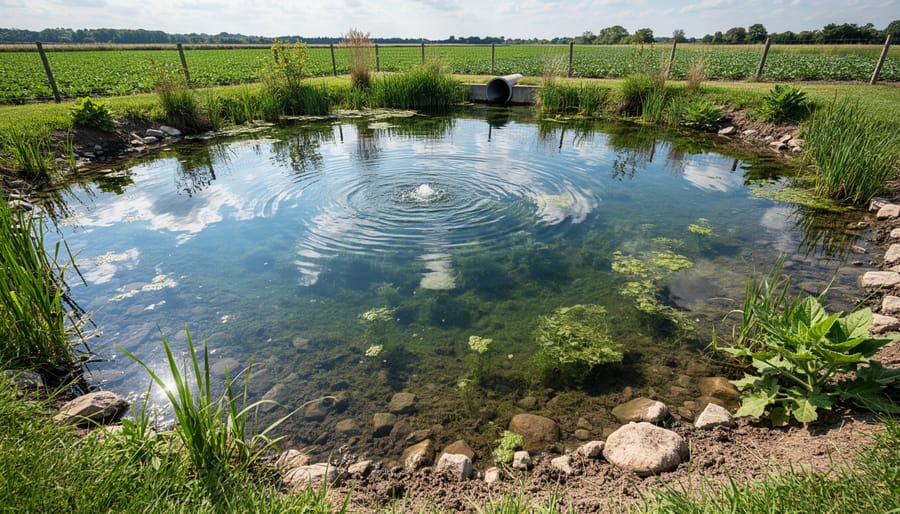
Getting the most from your mentorship means showing up ready to learn. Before reaching out with a question, grab your phone and take clear photos of your pond from multiple angles. Snap close-ups of any problem areas like murky water, struggling plants, or equipment issues. These visuals help your mentor understand exactly what you’re dealing with without playing guessing games.
Keep a simple notebook or use your phone’s notes app to document your pond’s vital stats. Jot down your pond size, current equipment, water test results if you have them, and what you’ve already tried. This saves time and shows you’re serious about learning.
When your mentor suggests a solution, actually do it. I know it sounds obvious, but many folks ask for advice and then never follow through. Give the recommendations a fair shot, then circle back with your mentor to share what happened. Did the algae clear up? Are your fish more active? Even if something didn’t work as expected, reporting back helps your mentor refine their guidance and teaches you both something valuable. This two-way communication turns a simple Q&A into a real learning relationship that benefits everyone involved.
Show Appreciation and Give Back
A great mentorship is built on mutual respect and genuine appreciation, not just one-way learning. While a simple thank you goes a long way, showing your mentor you value their time through action means even more.
One of the best ways to give back is offering to help with their pond projects. Maybe they’re planning a filter cleanout or redesigning a plant shelf. Volunteering a few hours shows you’re invested in the relationship and gives you hands-on learning opportunities. I remember helping my mentor reinstall a waterfall during a hot summer afternoon. Sure, I was exhausted, but watching him problem-solve a stubborn liner issue taught me more than any YouTube video could.
Share what you discover too. If you find a great local supplier for pond plants or stumble upon a clever solution to algae control, pass it along. Mentorship works best when both people contribute knowledge, even if you’re the less experienced one. Your fresh perspective might inspire them in ways you don’t expect.
As you gain confidence and knowledge, consider mentoring someone else. This creates a wonderful ripple effect in the water gardening community. You don’t need decades of experience to help a complete beginner choose their first pump or position their pond liner. Paying it forward honors the time your mentor invested in you and keeps the supportive spirit of mentorship alive, ensuring future pond enthusiasts have guides just like you did.
When You’re Ready to Become the Mentor
After a few seasons of tending your pond and learning from mentors who generously shared their knowledge, you might find yourself fielding questions from curious neighbors or new members of your local water gardening group. That’s your cue—you’re ready to become a mentor yourself!
Here’s something I discovered: teaching others actually deepens your own understanding. When someone asks why their water lily won’t bloom, explaining the relationship between sunlight exposure, water depth, and fertilization forces you to crystallize what you’ve learned through trial and error. You’ll catch yourself saying, “Oh, that’s why that works!” as you explain concepts you’ve been using instinctively.
You don’t need to be an expert to start mentoring. If you’ve successfully overwintered your fish, balanced an ecosystem, or solved algae problems, you have valuable experience to share. New pond owners aren’t looking for perfection—they want someone who remembers what it felt like to be confused about pump sizing or worried about whether those weird bubbles were normal.
Start small by answering questions in online forums or offering to show a neighbor your pond setup. Share your mistakes alongside your successes—those “I tried this and it was a disaster” stories are gold for beginners. Consider connecting with hands-on training opportunities where you can guide newcomers through practical projects.
By paying it forward, you’re strengthening the entire water gardening community while cementing your own knowledge. That’s the beautiful cycle of mentorship.