
How Pond Birds Transform Your Water Garden Into a Living Sanctuary
Your pond is already attracting feathered visitors, and with a few thoughtful adjustments, you can transform it into a thriving bird sanctuary that benefits both wildlife and your water garden. The secret lies in understanding what birds need and how to provide it without compromising your pond’s health or your fish population.
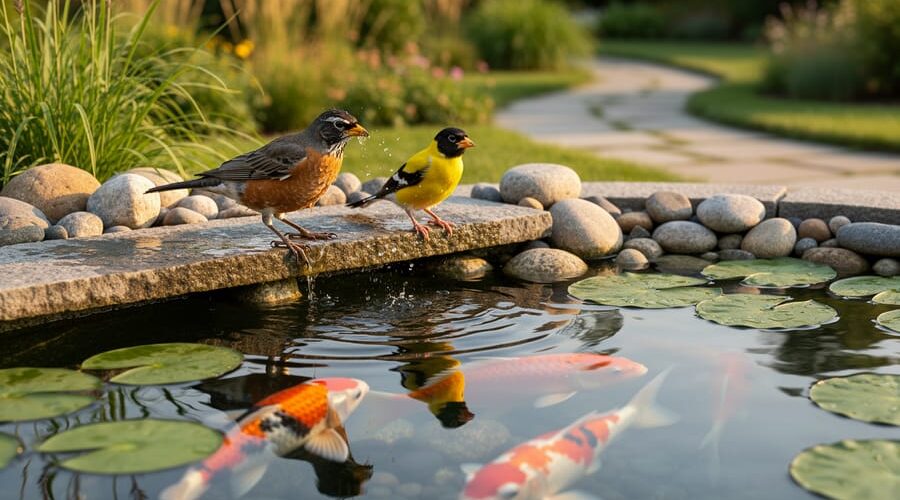
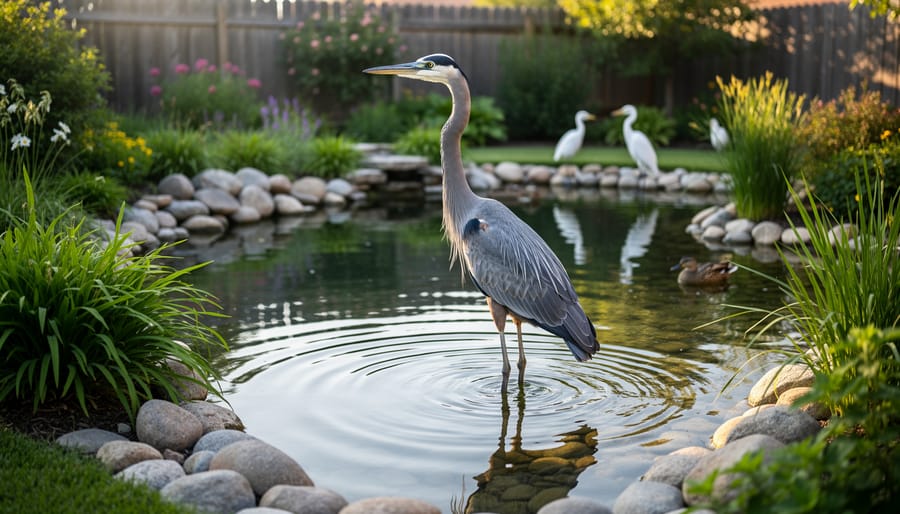
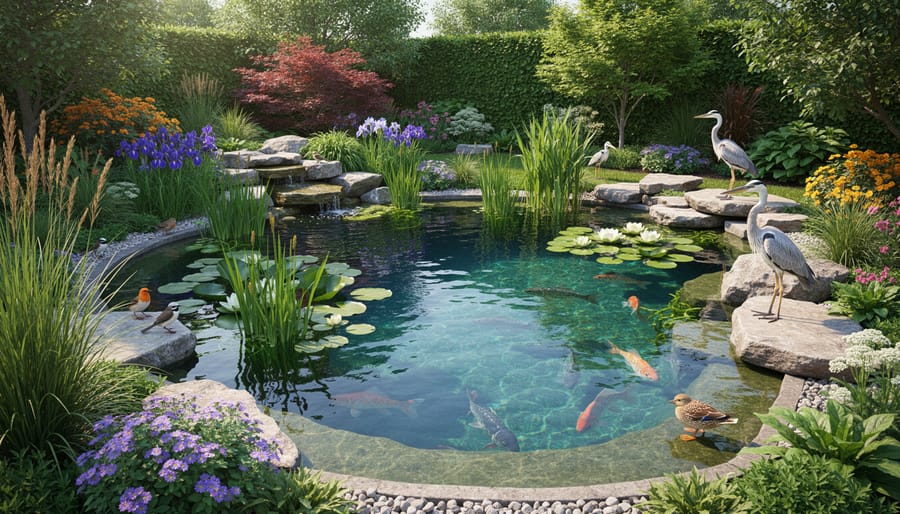
Birds visit ponds for three essential reasons: drinking water, bathing, and finding food. Some species will even nest nearby if conditions are right. The shallow edges of your pond serve as natural gathering spots where robins, finches, and sparrows can safely wade in for a quick drink or splash. Deeper areas attract diving ducks and wading birds like herons, though these larger visitors may have different intentions toward your koi.
Creating designated bird-friendly zones around your pond doesn’t require a complete redesign. Simple additions like strategically placed rocks that break the water surface, marginal plants that provide perching spots, and shallow shelves at varying depths accommodate different bird species and their preferences. The key is balancing accessibility for birds with protection for fish and maintaining water quality despite increased activity.
Throughout this guide, you’ll discover practical strategies for encouraging beneficial bird species, deterring problematic ones, and maintaining the delicate ecosystem balance that makes your pond beautiful year-round. Whether you’re dealing with unexpected heron visits or hoping to attract more songbirds, these proven methods respect both your pond’s needs and the natural behaviors of your avian guests.
Why Birds Are Drawn to Your Pond (And Why You Want Them There)
If you’ve got a pond, you’ve probably noticed birds checking it out—and there’s a perfectly good reason why. Birds are naturally drawn to water like magnets. They need it for drinking, bathing, and cooling off on hot days. Your pond isn’t just a decorative feature; it’s an oasis in your backyard that birds recognize as essential habitat.
Here’s the really cool part: while birds are enjoying your pond, they’re actually working for you. Think of them as unpaid members of your pond maintenance crew. Those swallows swooping across the water’s surface? They’re gobbling up mosquitoes and other flying insects that would otherwise make your outdoor time miserable. Ducks paddling around are munching on algae and aquatic vegetation, helping keep things balanced without you lifting a finger.
Birds also bring energy and life to your water feature in ways that nothing else can. There’s something mesmerizing about watching a robin splash enthusiastically in the shallows or a heron patiently stalking the edges. It transforms your pond from a static landscape element into a dynamic, living ecosystem.
When you embrace birds as active pond partners rather than just visitors, your whole perspective shifts. Instead of worrying about every bird that stops by, you start thinking about wildlife pond design that benefits everyone—including you. Sure, you’ll need to consider protecting any fish you keep, but the trade-off is worth it. Birds provide natural pest control, help manage plant growth, and create that magical feeling of having your own private nature reserve.
The truth is, a pond without birds feels incomplete. They’re part of the equation that makes water gardening so rewarding. Once you understand what they bring to the table, you’ll stop seeing them as complications and start seeing them as exactly what they are: valued members of your backyard ecosystem.
Common Birds That Will Visit Your Pond
Water-Loving Birds That May Nest Nearby
If you’ve got a larger pond—say, half an acre or more—you might just find yourself hosting some truly spectacular water-loving birds! These species don’t just visit for a quick drink; they’re looking for a home base where they can nest, hunt, and raise their families.
Ducks are often the first to arrive, particularly if your pond has shallow edges with vegetation. Mallards and wood ducks are common visitors in many areas, and attracting waterfowl can be as simple as providing safe nesting spots away from predators. I’ve watched a pair of ducks return to the same pond three years running—it’s absolutely magical!
Herons are the patient hunters you’ll spot standing motionless at the water’s edge. Great blue herons and green herons are particularly fond of ponds with plenty of fish and frogs. While they’re stunning to observe, you might need to protect smaller fish if herons become frequent visitors.
Kingfishers are the acrobats of pond birds, diving headfirst after small fish with incredible precision. They prefer ponds with overhanging branches where they can perch and scout for prey. If you hear a rattling call near your pond, look up—you might catch one of these jewel-toned beauties.
These larger species need space, clean water, and undisturbed areas to thrive, making pond maintenance essential for keeping them around season after season.
Songbirds and Perching Birds
While herons and ducks may steal the spotlight at your pond, some of the most delightful visitors are the smaller songbirds that treat your water feature as their personal spa and snack bar. These feathered friends might not swim in your pond, but they certainly make the most of it in other ways.
Robins are often the first to discover a new pond, hopping to the shallow edges for quick drinks and enthusiastic baths that send water splashing everywhere. They’re also fantastic pest controllers, snatching up insects near the water’s surface. Swallows perform aerial acrobatics above ponds, swooping low to catch mosquitoes and other flying insects. You’ll often see them skimming the water for a quick drink mid-flight, which is quite the impressive trick.
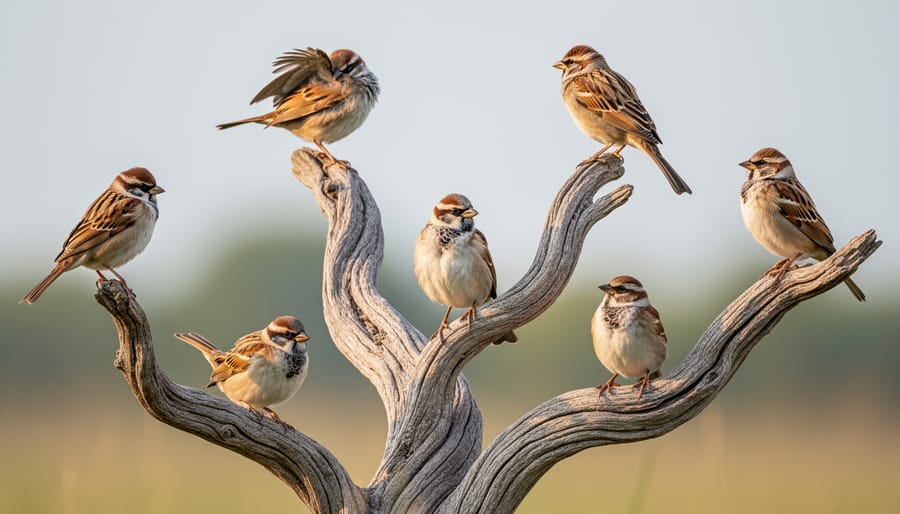
Wrens, chickadees, and finches are regular visitors too, especially if you’ve created shallow areas where they can safely access the water. I’ve watched sparrows line up like they’re waiting for their turn at a water fountain, each taking a drink before fluttering off to nearby shrubs.
The key to attracting these songbirds is providing safe access. A gently sloping edge, flat rocks positioned at the water’s edge, or even a birdbath-style shallow area gives them confidence to approach. They nest in surrounding trees, shrubs, and even birdhouses, so your pond becomes part of a larger backyard habitat. Plant native vegetation around your pond’s perimeter, and you’ll create an irresistible combination of water, food, and shelter that keeps songbirds returning season after season.
Seasonal Visitors and Migrants
Your pond can become a welcome rest stop for birds traveling long distances during migration seasons! In spring and fall, you might spot species you’ve never seen before as they pause to refuel and hydrate. Waterfowl like ducks and geese often visit larger ponds during their journeys, while smaller warblers and thrushes appreciate the insects around your water’s edge.
During summer months, dragonfly-hunting swallows might swoop over your pond’s surface, putting on quite an aerial show. Winter can bring unexpected visitors too, especially if your pond remains partially unfrozen. I’ve spotted kingfishers during cold snaps when other water sources freeze solid, making my little backyard pond suddenly prime real estate.
Keep a simple bird journal near your window to track these seasonal guests. You’ll start noticing patterns, like certain species arriving within the same week each year. This makes pond-watching even more exciting as you anticipate your returning friends and welcome new travelers to your watery oasis.
Creating Nesting-Friendly Zones Around Your Pond
Plant Layers: From Water’s Edge to Tree Canopy
Creating a bird-friendly pond means thinking vertically. Birds use different heights for different activities, and the more layers you provide, the more species you’ll attract.
Start at the water’s edge with marginal plants. These shallow-water lovers create perfect perching spots for birds sipping water or hunting insects. Try blue flag iris, which grows 60-90cm tall and produces stunning flowers, or soft rush, which birds adore for its shelter. These plants should sit in water about 5-15cm deep, right where pond meets shore.
Moving outward, establish a transition zone with moisture-loving shrubs. This middle layer is gold for nesting birds. Native bottlebrush works brilliantly near ponds, offering dense branches for nest building and nectar-rich flowers that attract insects (which birds love to eat). Plant these about 1-2 metres from the water’s edge where soil stays damp but not waterlogged. Melaleucas are another fantastic choice, providing year-round shelter.
Don’t forget your pond plants for wildlife within the water itself. Water lilies give birds floating platforms to rest on, while submerged plants like hornwort offer shelter for the insects and small creatures birds hunt.
Finally, add a tree or two if space allows. Position taller trees like paperbarks or she-oaks 3-4 metres back from the pond. These create high perching spots where birds can survey their territory and provide nesting sites for canopy dwellers.
The magic happens when these layers connect. Birds will hop from tree to shrub to marginal plant to water, using each level throughout their day. Start with just one layer if you’re on a budget and gradually build upward as your garden matures.
Safe Spacing: Giving Birds the Privacy They Need
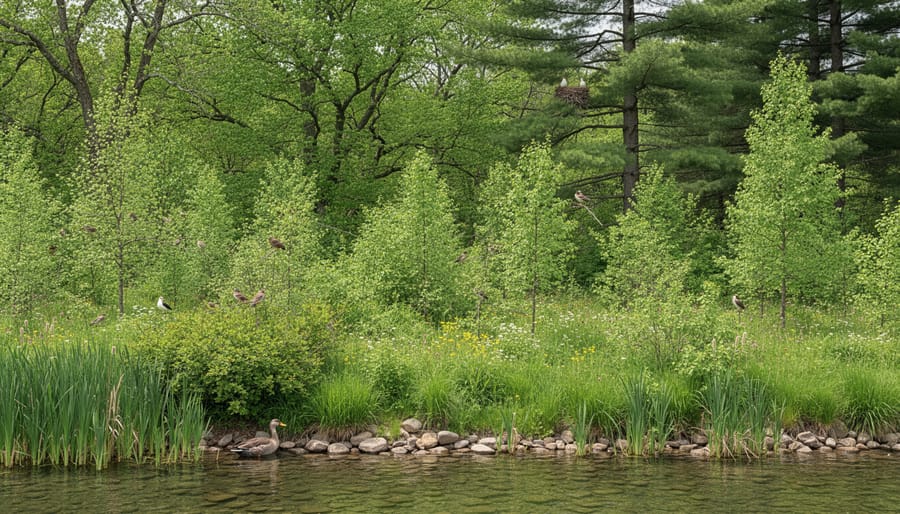
Birds need their personal space just like we do, especially during nesting season. I learned this the hard way when I placed a beautiful bench too close to a reed bed where moorhens were nesting—they abandoned the spot completely! The golden rule is to keep high-traffic areas like patios, seating, and walkways at least 15-20 feet away from potential nesting sites.
When positioning your favorite pond-side chair, think about sight lines. Birds prefer privacy, so placing seating behind shrubs or at an angle where you’re not directly facing nesting areas helps tremendously. Your bird friends will feel more comfortable, and you’ll still enjoy watching them from a respectful distance.
For bird-friendly features like feeding stations or shallow bathing areas, position them away from prime nesting locations but still visible from your viewing spots. I place mine about 10-12 feet from dense vegetation where birds nest, creating separate zones for different activities. This way, birds can grab a snack or splash around without feeling vulnerable near their nests.
Consider creating natural barriers using native plants or decorative screening between your main gathering spots and the quieter pond edges where birds prefer to nest. This simple strategy keeps everyone happy—you get your pond enjoyment, and birds get their peaceful sanctuary.
Adding Nesting Structures and Birdhouses
Providing nesting opportunities near your pond transforms casual visitors into permanent residents! Different birds have different housing needs, so variety is key. Swallows and phoebes love nesting platforms mounted under eaves or overhangs near water—just simple open shelves about 6 inches square work perfectly. Position these 8-12 feet high where they’re protected from direct rain but overlook the pond for easy insect hunting.
Traditional birdhouses attract tree swallows, chickadees, and wrens. Mount these 5-8 feet high on posts or nearby trees, making sure they face away from prevailing winds. In damp pond environments, choose cedar or weather-resistant materials that won’t rot quickly. Add drainage holes in the floor to prevent water accumulation.
Don’t forget natural nesting materials! Leave a small pile of twigs, dried grasses, and moss nearby. I’ve watched robins make dozens of trips from my material stash to build their masterpiece nests. For ground-nesters like killdeer, maintain some bare gravel areas away from the water’s edge.
One practical tip: mount structures at least 10 feet from dense shrubs where predators might hide. Also, consider your fish—aggressive nest-defending birds will dive-bomb the pond, so position houses thoughtfully if you have koi that spook easily.
Designing Roosting Spots That Birds Actually Use
Natural Perches: Branches, Rocks, and Pond Features
Birds love having convenient spots to rest, preen, and survey your pond, and creating these perches is simpler than you might think! Natural elements like driftwood, branches, and strategically placed rocks blend beautifully into your pond landscape while serving important functions for your feathered visitors.
Start with branches and driftwood positioned at varying heights around your pond. I’ve found that angling a sturdy branch from the pond edge into the water creates the perfect resting spot for birds to drink or catch insects. Make sure any branch you use is at least 2-3 inches in diameter for stability. You can secure them by wedging one end between rocks or partially burying it in the ground. Weather-resistant woods like cedar or juniper work wonderfully and last for years.
Large, flat rocks placed near the water’s edge serve double duty as perching spots and attractive landscape features. Position them so they’re slightly elevated above the water surface, giving birds a safe vantage point. Cluster several rocks together at different heights to accommodate various bird sizes.
For pond edging, avoid smooth, slippery surfaces. Instead, create stepped stone edges or use textured pavers that provide secure footing. These irregular surfaces are much easier for birds to grip than polished materials.
A practical tip from my own experience: leave some overhanging branches from nearby shrubs or trees extending toward the water. These natural perches let birds survey the area before committing to a pond visit, making them feel more secure.
Dense Vegetation for Nighttime Safety
Birds need safe hiding spots at night, and dense vegetation around your pond creates the perfect shelter. Think of it as building little bird bedrooms where they can sleep without worrying about predators!
Native shrubs like dogwood, elderberry, and viburnum work wonderfully. Plant them in clusters around your pond’s perimeter, spacing them about three feet apart. These multi-stemmed beauties create dense, layered coverage that birds absolutely love. Ornamental grasses like switchgrass and little bluestem offer excellent protection too, and they look gorgeous swaying in the breeze.
Here’s a fun project: create brush piles using fallen branches and pruned twigs. Stack them loosely in a corner near your pond, making sure the pile is stable and about four feet high. Place larger branches at the bottom and smaller ones on top. I’ve watched wrens and sparrows dart into these cozy hideaways at dusk, and it’s delightful knowing I provided that safe haven.
For year-round roosting success, avoid over-pruning in fall. Those dried seed heads and tangled branches that might look messy? They’re winter lifesavers for birds. Evergreen shrubs like holly or juniper add winter protection when deciduous plants drop their leaves. With thoughtful planning, your pond becomes a 24-hour sanctuary where birds feel secure every single night.
Water Features That Attract Without Disturbing
Birds need easy access to water, but you don’t want features that’ll scare them away or disrupt their nighttime rest. The key is creating gentle, inviting water movement rather than dramatic splashes.
Shallow beach areas work beautifully – aim for a gradual slope into the water, about 1-2 inches deep at the edge. Birds love to wade in and bathe without feeling vulnerable. I’ve watched robins spend twenty minutes in my shallow zone, happily splashing around!
Small waterfalls and streams are perfect when the drop is modest, creating a soft trickling sound rather than a roar. Keep the water height under 12 inches for a calming effect. The movement keeps water fresh and oxygenated, which birds instinctively recognize as safe drinking water.
Bubbling rocks or small fountain heads create visual interest without the noise level of larger features. Position these away from potential roosting spots in nearby trees or shrubs. The gentle bubbling attracts birds during the day but won’t disturb them at dusk when they’re settling in for the night. Remember, birds have excellent hearing, so what seems quiet to us might be disruptive to their rest.
Balancing Birds, Fish, and Pond Health
Protecting Your Fish from Predatory Birds
Let’s be honest—herons are magnificent birds, but they’re incredibly efficient fish hunters. If you’ve invested time and care into your pond fish, watching a heron visit can feel less like a nature documentary and more like a horror movie. The good news? You can protect your fish without turning your beautiful pond into Fort Knox.
The most effective defense is pond depth. Fish need at least 90cm of water depth to escape diving birds. Create a deeper zone in your pond’s center where fish can retreat when threatened. This isn’t just about protecting fish from predators—deeper water also provides better temperature regulation year-round.
Hiding spots are your second line of defense. Submerged clay pipes, rocky overhangs, and densely planted aquatic vegetation give fish somewhere to dart when danger appears. I’ve found that positioning larger rocks to create small caves along the pond edges works beautifully and looks completely natural.
For deterrents, motion-activated sprinklers are surprisingly effective and won’t harm birds. Fishing line strung 15cm above the water surface disrupts heron landing patterns without being visually obtrusive. Some pond owners swear by decoy herons—the theory being that herons are territorial and avoid areas where another heron appears established.
Avoid netting if possible, as it catches other wildlife and rarely looks attractive. Instead, combine multiple gentle strategies. The goal isn’t eliminating bird visits entirely, but making your pond slightly less convenient than the neighbor’s, encouraging herons to fish elsewhere.
Managing Bird Droppings and Water Quality
Let’s be honest—bird droppings aren’t the most glamorous part of pond keeping, but they’re manageable with the right approach! The good news is that small amounts of droppings actually provide nutrients for aquatic plants, creating a natural cycle. However, heavy bird traffic can tip the balance and affect water clarity.
Your best defense is a robust natural filtration system. Add more submerged and marginal plants like water lilies, iris, and hornwort. These green helpers absorb excess nutrients before algae can feast on them. I’ve found that doubling my plant coverage made a noticeable difference when ducks started visiting regularly.
Skim the water surface weekly with a fine mesh net to remove floating debris and fresh droppings before they sink and break down. It takes just five minutes and prevents bigger problems down the road. During peak bird season, bump this up to every few days.
Consider adding beneficial bacteria products monthly to help break down organic waste naturally. These microscopic helpers work quietly in the background, maintaining that delicate balance between welcoming wildlife and keeping crystal-clear water.
If you notice excessive algae or cloudy water, reduce bird feeding near the pond temporarily and increase water circulation with a fountain or aerator. This discourages birds from lingering directly over the water while still keeping your ecosystem thriving.
Seasonal Care: Supporting Birds Year-Round
Spring and Summer: Nesting Season Essentials
Spring and summer bring the magic of nesting season to your pond, and this is when your feathered visitors need your support most. The golden rule? Give them space! Resist the urge to peek at nests or get too close with your camera, as even well-meaning attention can cause parents to abandon their eggs or chicks.
During this critical time, keep your pond maintenance schedule gentle and predictable. Save major cleaning projects for fall, and when you do need to work around the water, do it during midday when adult birds are typically away foraging. If you spot a nest near your pond, give it a wide berth of at least 10 to 15 feet.
Make sure fresh, clean water is always available in shallow areas or birdbaths, as parent birds need frequent drinking and bathing opportunities. They’re working overtime feeding their young! Speaking of food, natural insects around your pond provide essential protein for growing chicks. Avoid pesticides completely during nesting season.
I’ve found that creating quiet zones with dense plantings gives nesting birds the privacy they crave. Native shrubs and grasses near the water’s edge become perfect nursery spots. Your patience during these few months will reward you with generations of birds returning to your backyard oasis year after year.
Fall and Winter: Roosting Support When Birds Need It Most
When temperatures drop, your pond becomes an even more critical resource for birds. I’ve watched cardinals and chickadees make daily visits to my pond throughout winter, and keeping it bird-friendly during these tough months is truly rewarding.
The biggest challenge? Keeping water accessible when everything freezes. A small pond heater or de-icer prevents complete freezing, creating a vital drinking and bathing spot when natural water sources are locked up. Position it near the edge rather than the center to create a safe shallow area for smaller birds.
Resist the urge to cut back all your pond-side plants in fall. Those dried cattail stalks, ornamental grass plumes, and spent seed heads serve double duty as natural bird feeders and windbreaks. I leave mine standing until spring, and the goldfinches absolutely love them.
Consider stacking a few larger stones or logs near your pond’s edge to create sheltered nooks. These simple additions give birds protected spots to rest between feeding trips. If you have evergreen shrubs nearby, they’ll provide essential roosting cover during harsh weather. Even a small brush pile made from your pruned branches can become a cozy winter refuge that birds will use season after season.
Your pond is so much more than a decorative feature in your backyard. It’s a vital pit stop in a network of habitats that birds depend on throughout their lives. By welcoming feathered visitors to your water garden, you’re contributing to something bigger than yourself, supporting local wildlife and creating moments of natural wonder right outside your window.
I still remember the first time I spotted a family of ducklings paddling around my pond at dawn. All those little adjustments I’d made, like adding shallow edges and leaving the reeds untrimmed, suddenly felt worthwhile. Those quiet mornings watching birds drink, bathe, and rest became the highlight of my day.
The beauty of creating a bird-friendly pond is that you don’t need to overhaul everything at once. Start with one simple step today: add a shallow area or a flat stone at your pond’s edge where birds can safely land and access water. This small change can make an immediate difference, and you can build from there by measuring pond biodiversity over time to see the impact of your efforts. Your pond will reward you with life, movement, and endless entertainment.